

“Drink slowly,” he said, smiling, “and when you’re done, I’ll read your fortune.”
Istanbul
Thick, Dark, and
Full of Fortune
My journey began in Istanbul, where coffee isn’t just made — it’s performed. In a small café near the Grand Bazaar, a copper pot of Turkish coffee simmered slowly over sand, the thick aroma curling through the air.
The waiter poured it into a tiny cup, dark and glossy, leaving the fine grounds to settle. “Drink slowly,” he said, smiling, “and when you’re done, I’ll read your fortune.”
I didn’t believe in fortunes, but when he turned the cup upside down and traced the patterns left by the grounds, it felt oddly intimate — like the coffee itself had something to say.
In Turkey, coffee is a ritual of patience and presence. You don’t rush it; you savor it. And maybe that’s where I learned my first travel lesson: slow down. The world won’t reveal itself if you’re in a hurry.

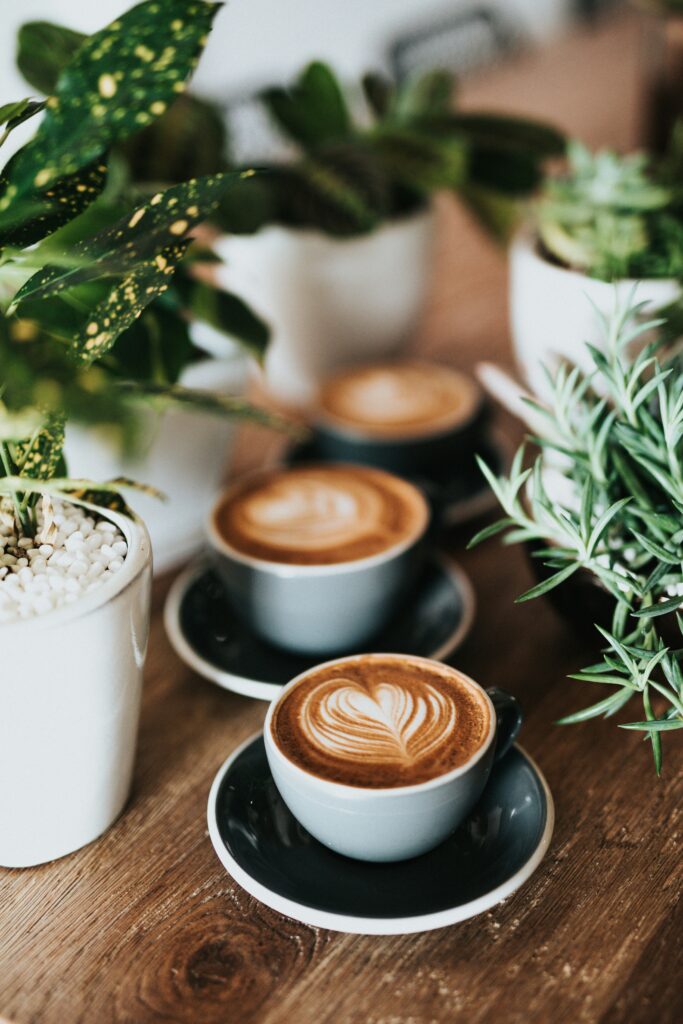
From Istanbul, I flew to Rome, where coffee is taken in quick, precise bursts. Italians don’t linger over lattes or carry takeaway cups — they lean against marble counters, order an espresso, and knock it back in two sips before heading out again.
Rome
The Espresso
Rythym
One morning, I stood at a café bar near the Pantheon and watched locals flow in and out like clockwork. There was no menu, no fuss — just espresso, short and strong, served with effortless confidence.
The barista handed me mine with a simple “Prego”. It was hot, sharp, and over before I realised it. But in that small exchange — the nod, the smile, the metallic clink of the cup — I felt part of the rhythm of Rome.
Hanoi
Sweet, Strong, and Unexpected
Next stop was Hanoi, Vietnam’s bustling capital, where coffee culture surprises you at every turn. Walking through the narrow streets of the Old Quarter, the air was thick with the scent of roasted beans, sizzling street food, and the unmistakable tang of sweetened condensed milk.
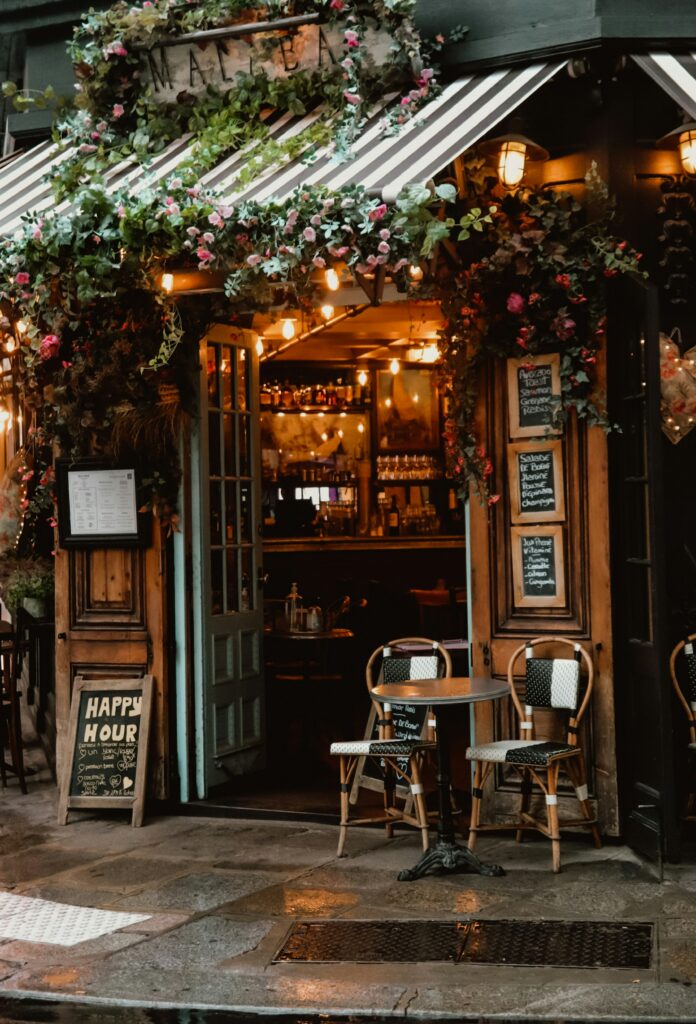
I ducked into a tiny, sunlit café squeezed between two motorbike-packed streets. Ordering cà phê sữa đá — the famous Vietnamese iced coffee — I watched the barista carefully drip the thick, dark coffee over a small pool of condensed milk. The slow drip mirrored the city’s rhythm: hurried streets outside, calm focus inside.
The first sip was a revelation. Bitter, sweet, and creamy all at once. It was a drink of contrasts, much like Hanoi itself — ancient temples standing shoulder-to-shoulder with French colonial architecture, scooters zipping past street vendors selling fresh herbs, and quiet moments hidden inside small cafés.
I decided to explore more of the local coffee scene. In one corner café, I tried egg coffee, a Hanoi specialty I had only read about. A velvety layer of whipped egg yolk and sugar floated atop rich coffee, creating a dessert-like experience in a cup. The taste was decadent, almost like a custard mousse, and yet perfectly balanced by the robust coffee underneath. It was inventive, bold, and utterly unexpected — much like Vietnam itself.
What struck me most about Hanoi’s coffee culture was the community feel. Despite the small spaces and chaotic streets, cafés were gathering points for friends, students, and families. People lingered over their drinks, chatting, working, or simply watching the world go by. Coffee here wasn’t just a pick-me-up; it was a moment to pause and connect.
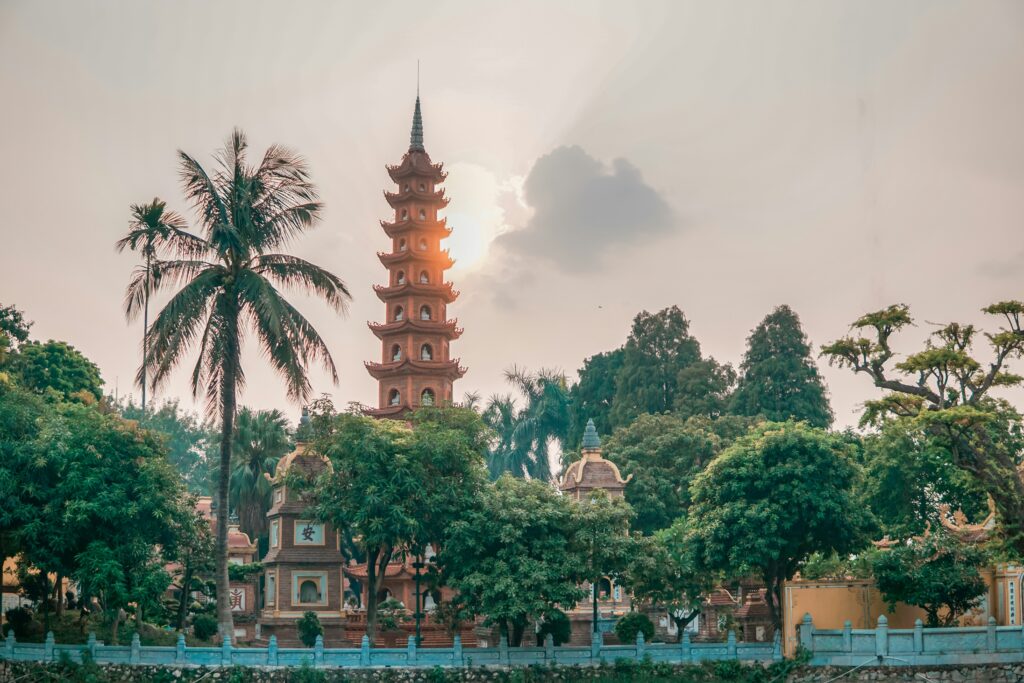
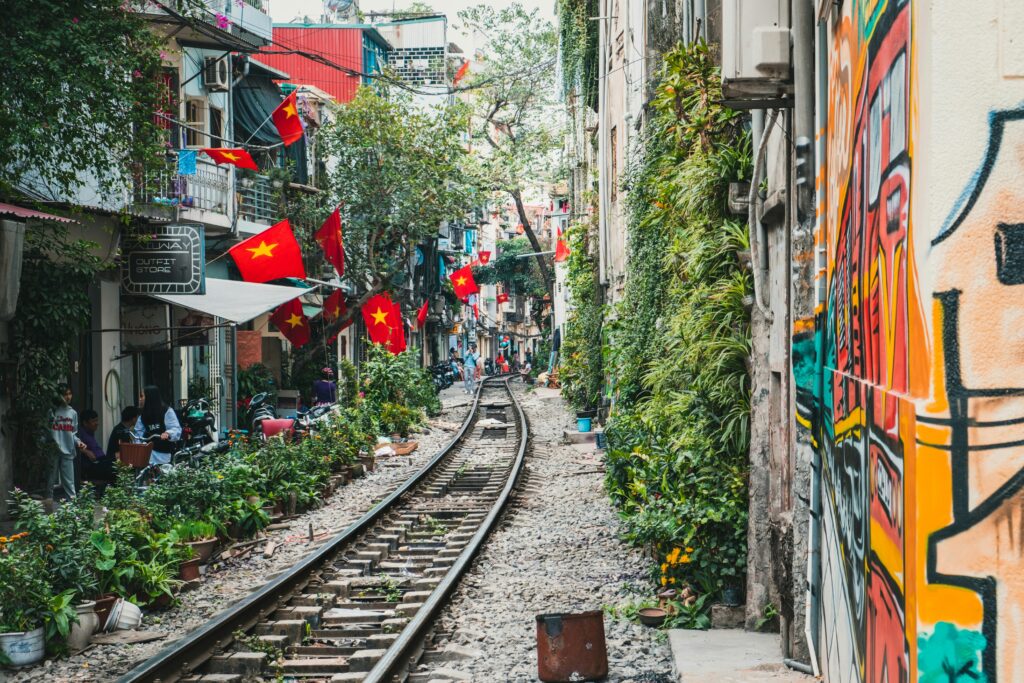
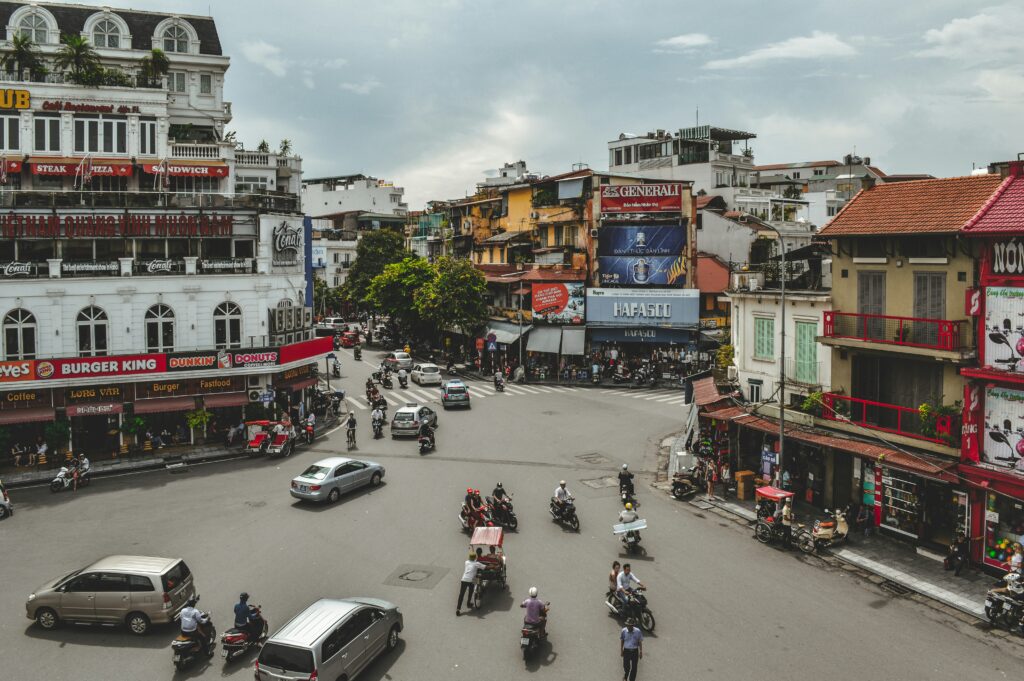
Hanoi taught me that coffee can be playful and inventive, that a single city can offer countless experiences from one cup to the next, and that sometimes the unexpected flavours are the ones that leave the longest impression.
In Ethiopia, coffee isn’t just a drink; it’s heritage. This is where coffee was first discovered, and where it remains at the heart of daily life.
Addis Ababa
The Ceremony
of Coffee
In a small village near Addis Ababa, I was invited to a coffee ceremony. Green beans roasted over an open flame filled the air with a smoky sweetness. The beans were ground by hand and brewed in a clay pot called a jebena.
It wasn’t quick — and that was the point. Coffee here is an act of hospitality, an invitation to sit, talk, and share. The host poured three rounds, each one slightly weaker than the last, symbolising friendship, respect, and blessing.
As I held my small cup, I realised this was coffee at its purest — not a caffeine boost, but a bridge between people.
Coming Home
After months on the road, I found myself back home, standing in my own kitchen, grinding beans for my morning brew. The aroma filled the air — familiar, grounding.
It struck me how every cup I’d tasted around the world was different, yet somehow the same. The preparation changed, the flavors varied, but the purpose remained constant: to connect, to comfort, to pause.
Now, when I take that first sip each morning, I think of all those cups before — the fortune-teller in Istanbul, the barista in Rome, the friend in Stockholm, the street vendor in Hanoi, the host in Ethiopia.
Each one taught me something not just about coffee, but about people.
And maybe that’s what coffee really is — not just a drink, but a shared language that crosses borders, cultures, and time zones.